
The Baltimore Museum of Industry: A Visitor's Guide to the Locust Point Waterfront
Most visitors to Baltimore see the Inner Harbor as a place of museums, restaurants and paddle boats. For most of the city's history it was something else entirely: a working port surrounded by canneries, shipyards, foundries, garment lofts and print shops. The Baltimore Museum of Industry, on Key Highway at the edge of Locust Point, tells that story. It is a museum about work and the people who did it, and it is one of the most underrated stops in the city.
A Museum in a Cannery
The museum occupies a historic waterfront building that was once part of the oyster and fruit packing industry that lined Baltimore's harbor in the 1800s. Canneries like this one helped make Baltimore a national center of food packing, and the building itself is part of the exhibit: brick, timber and a location right on the water where boats once unloaded their catch.
The setting gives the museum a feel that is very different from a modern glass gallery. You are walking through a space where people actually worked, looking across the water toward the skyline.
What You'll See Inside
The museum's core galleries re-create the kinds of workplaces that powered Baltimore's economy, filled with real machinery and tools:
- A cannery showing how food was processed and packed on the waterfront.
- A garment loft, a reminder that Baltimore was once a major center of clothing manufacturing.
- A machine shop with belt-driven equipment from the industrial era.
- A print shop and a pharmacy, two small businesses that were part of every neighborhood.
Beyond the re-created shops, exhibits explore the port, transportation, communications and the products invented or manufactured in the region. The museum also covers the labor history behind those industries — the immigrant workers, the women who worked the canning lines and the children who worked before child-labor laws changed. Exhibits rotate, so check the official site for what is on view.
The Waterfront
Part of the pleasure of a visit is the location. The museum sits on the Patapsco with open views toward the Inner Harbor, Federal Hill and the downtown skyline. Historic vessels and large outdoor artifacts have been displayed on the grounds, including the museum's steam tugboat Baltimore, a reminder of the harbor's working past. Some outdoor pieces may be closed for maintenance or restoration at times, so ask at the front desk.
How Long to Plan
Most visitors spend about two hours at the museum. Families with curious kids, history buffs and anyone with a family connection to Baltimore's industries can easily spend more. The museum is compact enough to see in a morning or afternoon, which makes it easy to combine with another stop.
Before you go, check the museum's official website for current hours, days of operation and any special events. Like many smaller museums, it is closed on certain days of the week and on major holidays.
Getting There
The museum is on Key Highway between Federal Hill and Locust Point, about a mile and a half from the Inner Harbor. From BWI, the drive typically takes about 15 to 20 minutes via I-95, exiting toward Key Highway, depending on traffic. The museum has its own parking, but Key Highway can be busy on weekends and event days, and a drop-off at the door is the easiest option for families and groups.
Walkers can reach it from Federal Hill along the waterfront promenade, but the distance from the Inner Harbor is long enough that most visitors prefer to ride, especially in summer heat.
Pairing It with Nearby Stops
The museum sits in the middle of a cluster of worthwhile places:
Fort McHenry
A few minutes' drive to the end of the Locust Point peninsula, Fort McHenry National Monument and Historic Shrine is where the defense of Baltimore in 1814 inspired "The Star-Spangled Banner." Pairing industrial history with the fort makes a full day on the peninsula. Our limo service near Fort McHenry page covers the area.
Federal Hill
Just west along Key Highway, Federal Hill Park offers one of the best views of the Inner Harbor, and the neighborhood below has plenty of places for lunch.
The American Visionary Art Museum
Also on Key Highway, the American Visionary Art Museum showcases self-taught artists and is a complete contrast to the industrial galleries. Visiting both in one day is easy.
Locust Point
The rowhouse neighborhood around the museum grew up around the port and its immigrant workers. A short drive through its streets puts the museum's stories in context.
Groups and Field Trips
The Baltimore Museum of Industry is a popular destination for school groups, scout troops, corporate team outings and retirement communities. It also hosts private events in its waterfront spaces. For groups, transportation is often the hardest part to coordinate:
- A Mercedes Sprinter van seats up to 13 passengers and keeps everyone together.
- A Lincoln Navigator seats up to six, good for a family or a small team.
- Multiple vehicles can be scheduled to arrive together for larger groups.
A Good Fit for Visitors and Layovers
Because the museum is so close to I-95 and BWI, it works well for visitors with a free afternoon before an evening flight or relatives in town who want to see a side of Baltimore that most guidebooks skip. Engineers, manufacturers and corporate visitors often find it especially interesting.
With an hourly booking through our Maryland hourly chauffeur service, you can combine the museum with Fort McHenry, lunch in Federal Hill and a final ride to the airport without worrying about parking or luggage. If you are planning a broader day around the harbor, our guide to a private chauffeur day around the Inner Harbor and Fells Point offers more ideas, and our Baltimore limo service page covers the rest of the city.
Why the Museum Matters
It is easy to think of industry as machines and smokestacks, but the museum's real subject is people: the immigrant families who worked the cannery lines, the garment workers, the machinists, printers and dockworkers whose labor built neighborhoods such as Locust Point, Canton and Fells Point. Many visitors find a personal connection here, whether a grandparent who worked at a Baltimore plant or a family business that started in one of the city's old shops. Volunteers and staff are often happy to talk about the stories behind the exhibits, so ask questions.
Planning Your Visit
Check hours and current exhibits on the museum's official website, decide what you would like to pair it with, and call 877-609-1919 to plan the transportation. We are available 24/7 and can build the day around your flight if you are visiting from out of town.
You might also like
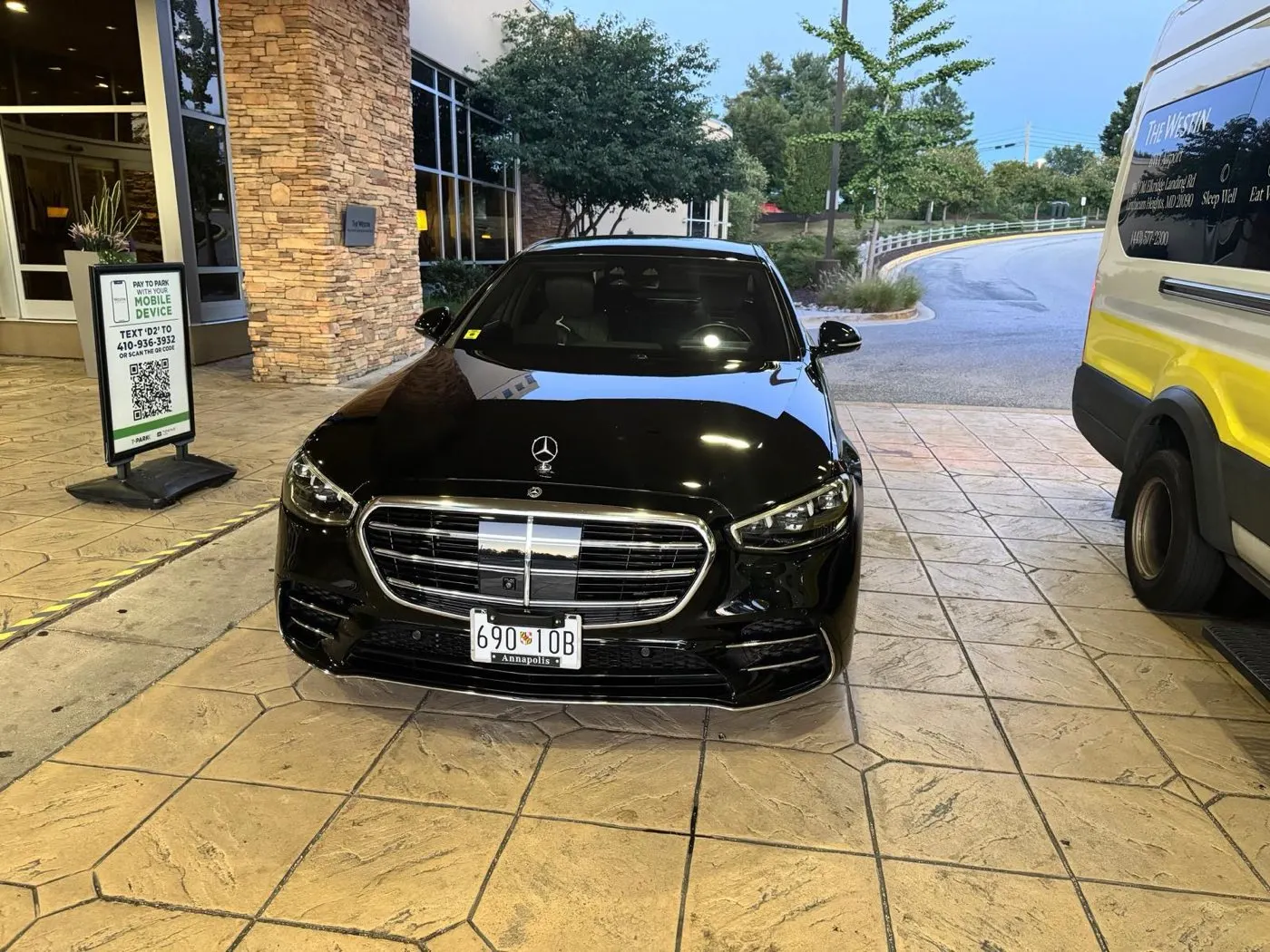
A Private Chauffeur Day: Touring Inner Harbor & Fells Point
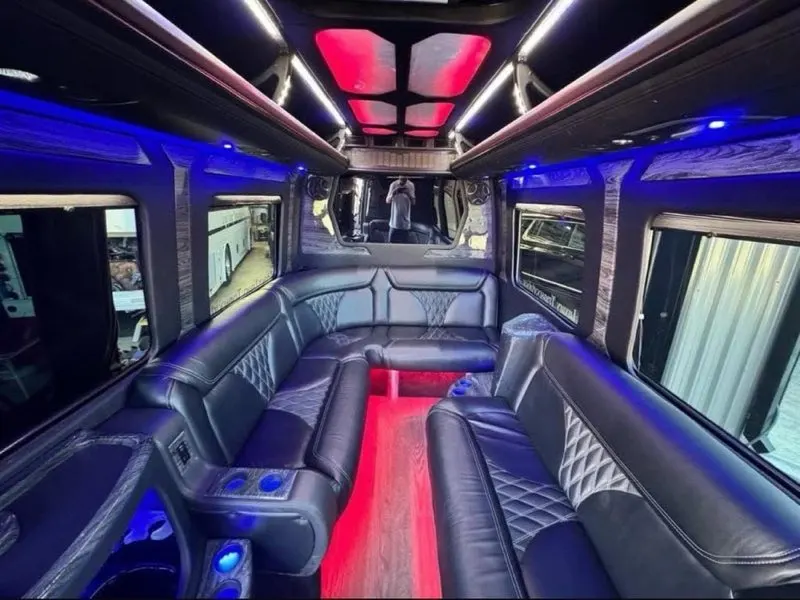
Youth Sports Tournament Team Transportation in Maryland
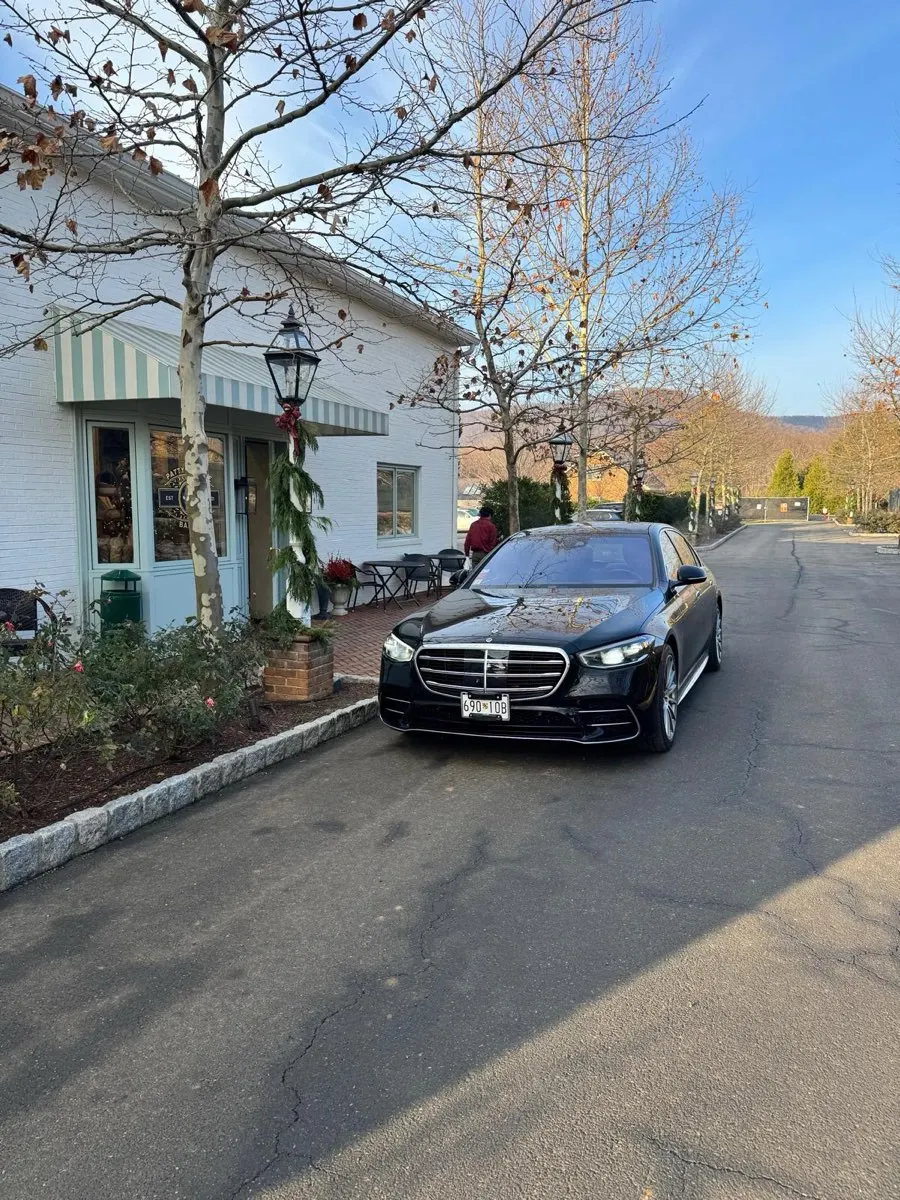
BWI Early-Morning Departure Checklist
Frequently Asked Questions
Where is the Baltimore Museum of Industry?
The museum is on Key Highway between Federal Hill and Locust Point, on the Patapsco River waterfront about a mile and a half from the Inner Harbor. It is typically 15 to 20 minutes from BWI.
What is inside the Baltimore Museum of Industry?
The museum re-creates historic workplaces such as a cannery, garment loft, machine shop, print shop and pharmacy, with exhibits on the port, transportation and the workers who built Baltimore's industries.
How long does a visit take?
Most visitors spend about two hours. It is compact enough to combine with Fort McHenry, Federal Hill or the American Visionary Art Museum in the same day.
Is the museum good for school groups?
Yes. It is a popular field-trip destination. A Mercedes Sprinter seats up to 13 passengers, and multiple vehicles can be coordinated for larger groups. Check the museum's site for group visit arrangements.
Can I visit the museum before a flight from BWI?
Yes. The museum is close to I-95 and BWI, so it fits a free afternoon before an evening flight. An hourly booking lets you keep luggage in the vehicle and go straight to the airport.
Ready to Book Your Luxury Ride?
Experience premium chauffeur service throughout Maryland, Delaware, and Washington DC. Available 24/7 for airport transfers, corporate travel, and special events.