Maryland Limousine Fleet Guide: Sedans, SUVs, Stretch Limos & Sprinter Vans
Every Vehicle Class in a Maryland Limousine Fleet, Explained
A modern limousine company in Maryland is not really selling one product — it is running eight or so distinct vehicle classes, each built for a different combination of passenger count, luggage, and occasion. Choosing the wrong one is the most common booking mistake we see: someone books a stretch limo for a solo airport run, or crams a family of five and their luggage into a sedan built for three. This guide walks through the categories that make up a real Maryland fleet, with actual passenger and luggage numbers, so you can match the vehicle to the trip instead of guessing.
Business Sedan: The Everyday Workhorse
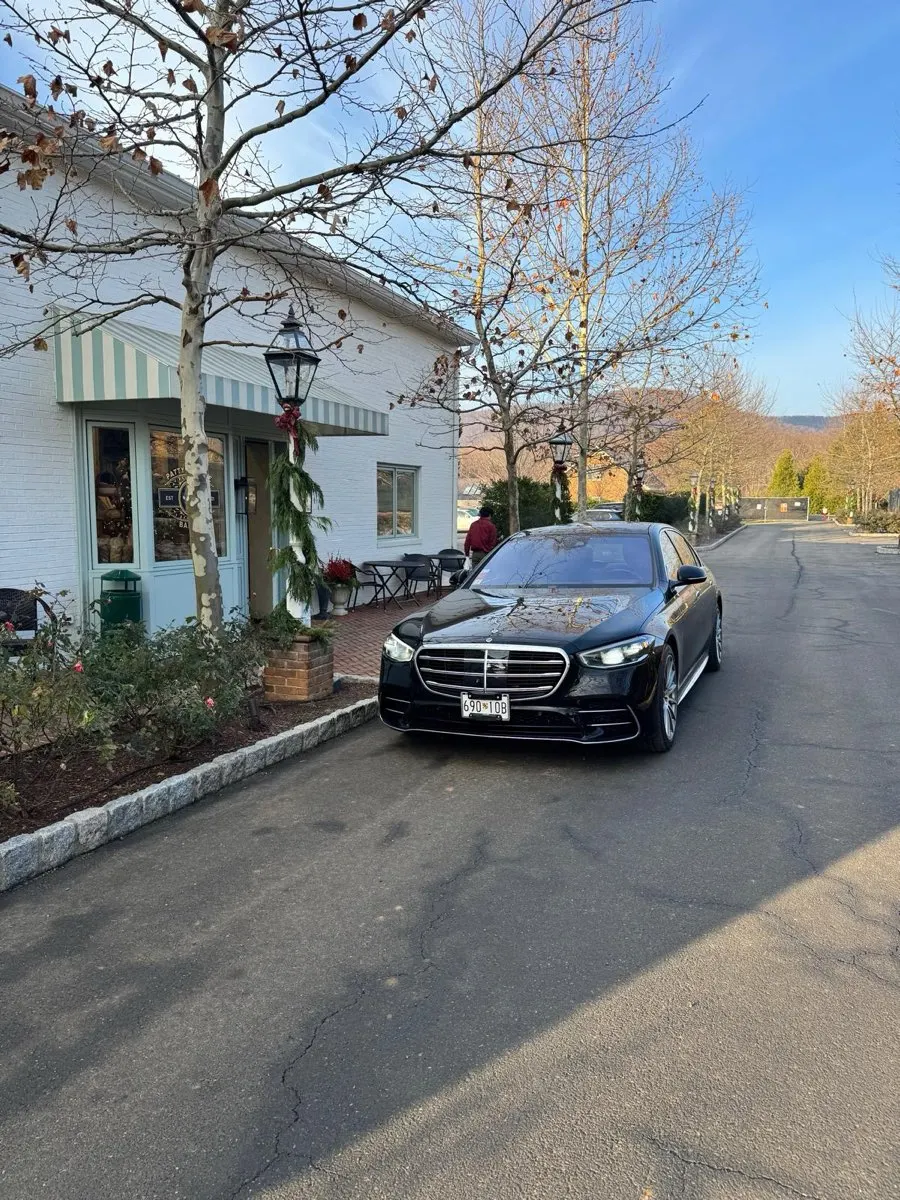
A business sedan — a Mercedes-Benz E-Class or similar late-model luxury sedan — is the most-booked vehicle in the fleet, and for good reason. It comfortably seats three passengers with two pieces of luggage, making it the right call for a solo executive, a couple, or a small family with light bags. This is the class behind the large majority of airport transfers, corporate pickups, and standard point-to-point trips throughout Maryland, DC, and Delaware. It is not the flashiest vehicle in the lineup, but it delivers the same chauffeur standard as every other class at the lowest price point — which is exactly why it is the default recommendation any time a trip does not obviously call for more. If you are torn between this tier and a larger vehicle, our sedan vs. SUV vs. Sprinter guide walks through the decision in more detail.
First Class Sedan: The Step Up for Board-Level Guests
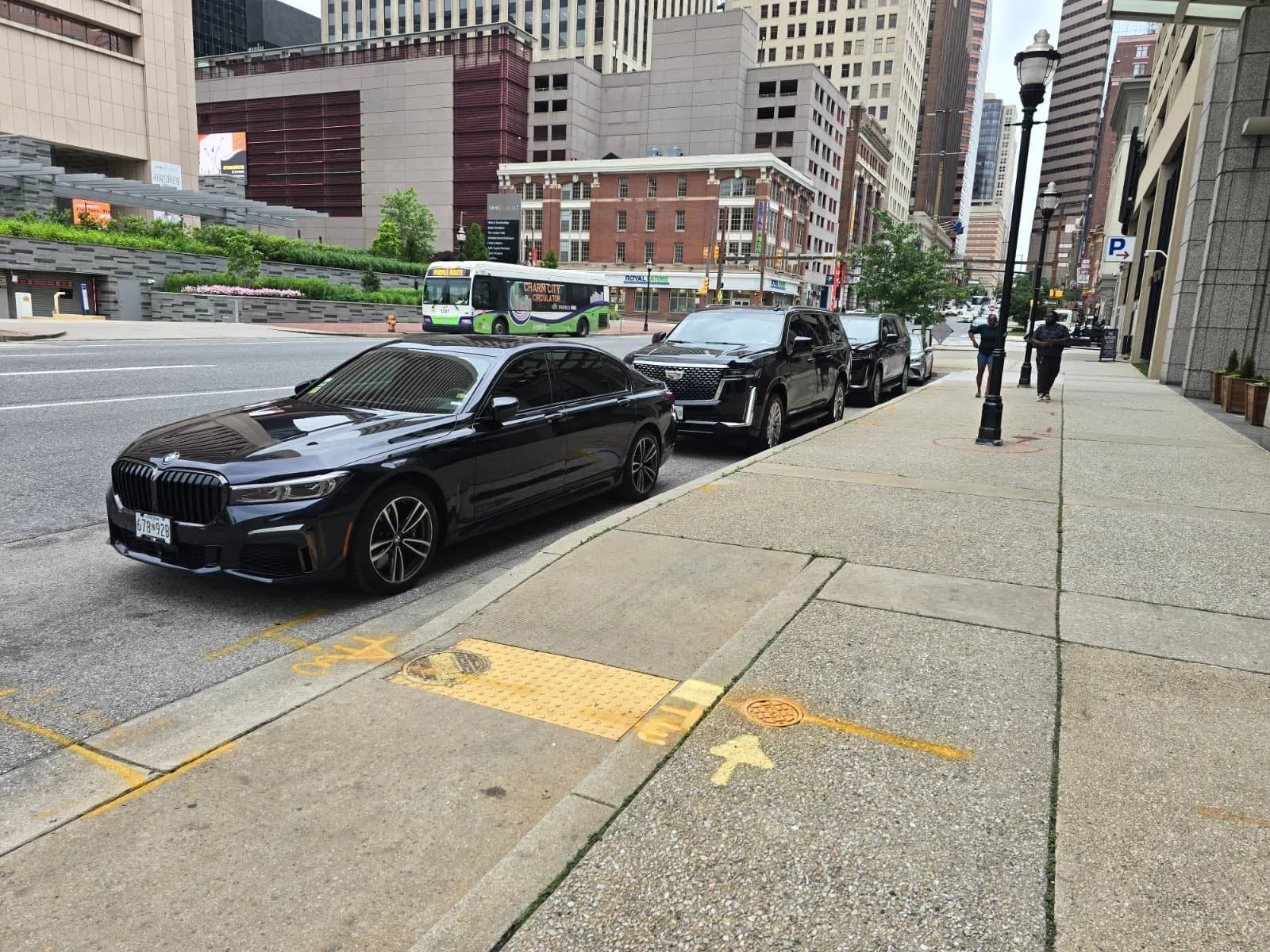
A first class sedan — a BMW 7 Series, Mercedes S-Class, or comparable flagship — carries the same three passengers and two bags as the business sedan, but with a noticeably more premium cabin, ride quality, and curb presence. This is the class companies request for board-level executives, VIP clients, and any trip where the vehicle itself is part of the impression being made. It is not a capacity upgrade over the business sedan — it is a presentation upgrade, and it is worth the difference specifically when the occasion calls for it.
Midsize SUV: The Balanced Choice for Families and Extra Bags
A midsize SUV — a Lincoln Nautilus or similar — seats three passengers but jumps to four pieces of luggage, making it the practical answer for a family or small group whose bag count outgrows a sedan trunk even though their passenger count would technically fit one. This is the class most often booked when luggage, not headcount, is the deciding factor — a week-long vacation return, golf clubs, or a trip with car seats and strollers in tow.
Luxury SUV: Maximum Room Without Losing Comfort
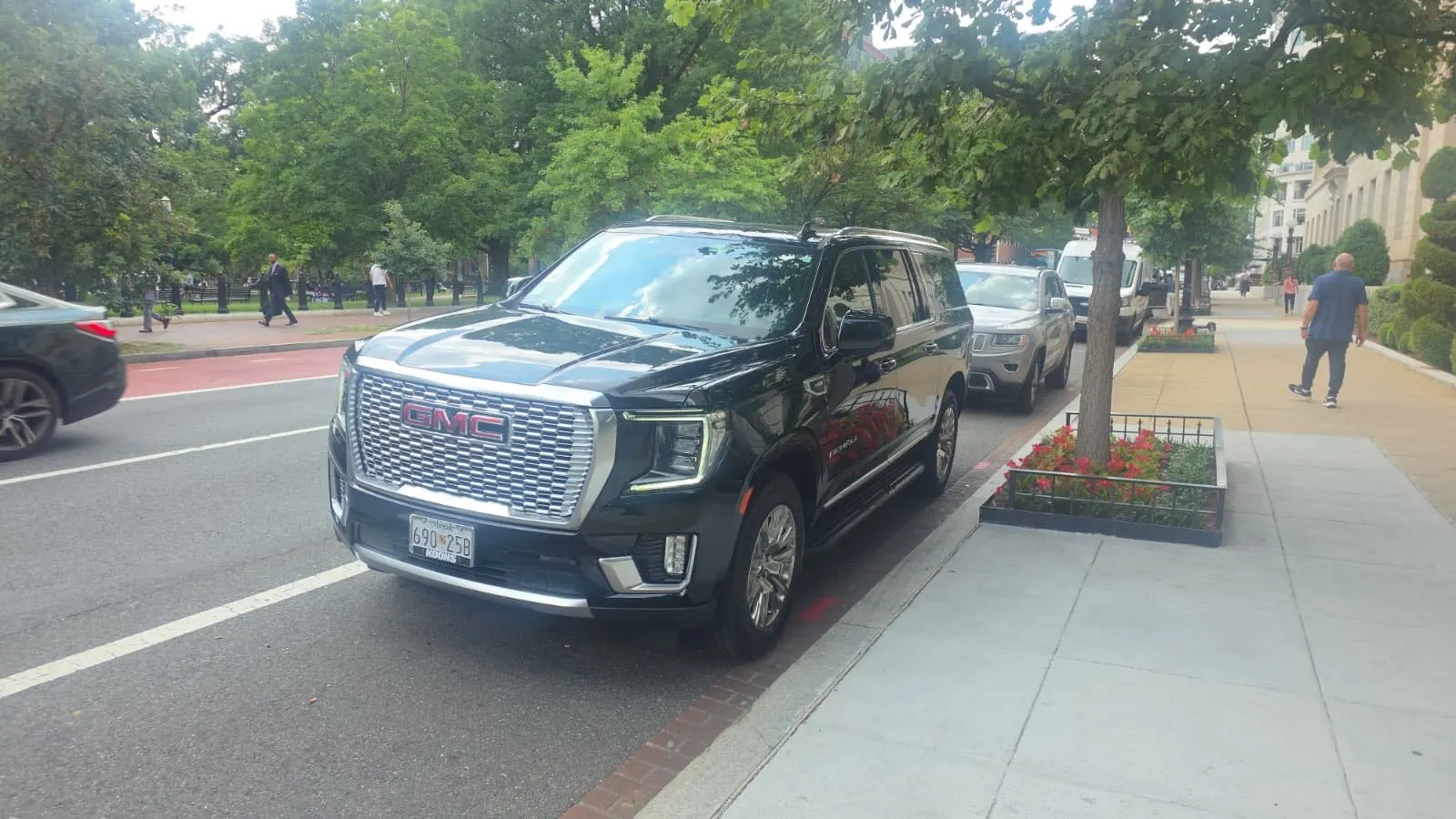
A luxury SUV — a Chevrolet Suburban or similar full-size SUV — steps up to five passengers and five bags, the largest capacity in the SUV tier. It is the right choice for a larger family, a small group traveling together with real luggage, or an extended trip where both people and gear need genuine room. This is also a common choice for corporate groups of four or five who want to travel together in one vehicle rather than splitting into two sedans.
Premium SUV: Commanding Presence for Groups That Want to Arrive That Way
A premium SUV — a Cadillac Escalade or similar — matches the luxury SUV's five bags while adding a sixth passenger seat, and it does so with the kind of curb presence that makes it a favorite for client entertainment, milestone celebrations, and any group that wants their arrival to look as good as the occasion feels. It carries the same practical five-to-six passenger capacity as the luxury SUV tier, with a distinctly more commanding profile.
Sprinter Shuttle: Group Transportation Without Complication
Once a group passes six or seven people, sedans and SUVs stop being the right tool, and a Mercedes Sprinter shuttle takes over — seating up to thirteen passengers with room for thirteen pieces of luggage. This is the standard choice for airport group runs, corporate shuttles between a hotel and a venue, and any trip where keeping a group together in one vehicle matters more than individual comfort upgrades. Our group airport transportation guide covers the logistics of moving a larger party at once.
Sprinter Executive: The Same Capacity, a More Premium Cabin
A Sprinter Executive matches the Sprinter Shuttle's thirteen passengers and thirteen bags but adds an upgraded interior and additional amenities, making it the choice for corporate groups, conference transportation, and any larger party that wants the group-size capacity of a Sprinter without sacrificing the premium feel of a smaller luxury vehicle. Companies moving a full team to a conference or a client group between meetings often book this tier specifically for the added polish.
Sprinter Limo: The Grand-Entrance Version of Group Travel
A Sprinter limo carries the same thirteen passenger, thirteen bag capacity as the other Sprinter classes but is built out as a true stretch-limousine experience — the vehicle most people picture when they hear "limo service" for a wedding, prom, or milestone celebration that calls for a genuine grand entrance. It is the group-capacity answer to the question a stretch limo traditionally answers for a smaller party: an occasion where the vehicle itself is part of the celebration.
Booking the Right Class for BWI, DCA, and IAD
Airport transfers are where vehicle class questions come up most often, and the right answer depends on where you are actually headed. A solo or two-passenger transfer to or from BWI, Reagan National, or Dulles almost always fits a business sedan comfortably. A family returning from a week-long trip, or a couple with golf clubs and extra bags, is the classic midsize SUV scenario even though the passenger count alone would fit a sedan. Groups flying in together for a wedding, reunion, or conference are Sprinter territory the moment the headcount passes six or seven — trying to squeeze a larger group into two sedans usually costs more and guarantees a more complicated pickup than one van waiting curbside.
Car Seats, Accessibility, and Other Practical Considerations
Vehicle class is not only about passengers and bags — practical needs matter too. Families traveling with young children should confirm car seat availability when booking rather than assuming every vehicle class carries one by default; most companies can provide or accommodate a car seat with advance notice, but it is worth asking specifically rather than discovering a gap at pickup. Similarly, if anyone in your party needs extra room to enter or exit comfortably, a luxury or premium SUV's higher seating position is often easier than a low sedan seat, and it is worth mentioning at booking so dispatch can steer you toward the most comfortable option rather than the default recommendation.
Matching Vehicle to Occasion: A Quick Reference
A solo business trip or airport transfer calls for a business sedan; a VIP or board-level guest often rides in a first class sedan instead. A family with moderate luggage fits a midsize SUV; more people or more bags points to a luxury or premium SUV. Any group past six or seven people belongs in one of the three Sprinter classes — shuttle for straightforward group moves, executive for a more polished corporate group, and limo for a celebration that wants the full stretch-limousine presentation.
How Fleet Age and Maintenance Standards Affect Every Class
Whichever category you book, the specific vehicle should be a late-model car maintained on a real inspection schedule, not just whichever vehicle happens to be free that day. A fleet built on current-year or near-current-year vehicles, professionally detailed between trips and inspected regularly, delivers a meaningfully different experience than an older vehicle kept in service past its comfortable working life. This matters across every tier — a well-maintained business sedan can outperform a neglected premium SUV on the details that actually shape a ride: cabin quietness, a smooth suspension, working climate control, and a driver who trusts the vehicle enough to focus fully on the road and the passenger rather than the dashboard.
Mixed Fleets for One Event
Larger occasions often use more than one vehicle class at the same time — a wedding where the couple rides in a first class sedan while the bridal party follows in a Sprinter limo, or a corporate event where a CEO takes a first class sedan and the rest of the team rides in a Sprinter executive. There is nothing unusual about booking a mixed fleet for a single event; it is common practice whenever different passengers in the same group have different needs.
Why Vehicle Age and Maintenance Matter as Much as Class
Whatever class you book, the vehicle itself should be late-model and well maintained — a fleet built on current-year or near-current-year vehicles reflects a company reinvesting in its cars rather than running them into the ground. Ask how recent the fleet is and how vehicles are maintained; a company confident in its answer will tell you without hesitation.
Choosing the Right Vehicle for Your Trip
Passenger count and luggage volume resolve the vast majority of vehicle-selection questions, and the occasion itself settles most of what is left. If your trip does not cleanly fit one tier, dispatch can recommend the right class rather than leaving you to guess. See the full Maryland fleet and book your vehicle, or call 877-609-1919 for a recommendation.
You might also like
Frequently Asked Questions
What is the passenger and luggage capacity of a business sedan?
A business sedan comfortably seats three passengers with two pieces of standard luggage, making it the right choice for a solo traveler, a couple, or a small family with light bags.
How many people fit in a Sprinter van?
A Mercedes Sprinter — whether shuttle, executive, or limo configuration — seats up to thirteen passengers with room for thirteen pieces of luggage, making it the standard choice for any group past six or seven people.
What is the difference between a luxury SUV and a premium SUV?
Both classes carry five pieces of luggage; a premium SUV like a Cadillac Escalade adds a sixth passenger seat and a more commanding curb presence compared to a luxury SUV like a Chevrolet Suburban, which is the standard five-passenger tier.
When should I book a first class sedan instead of a business sedan?
Both carry the same three passengers and two bags, so the choice comes down to presentation rather than capacity — a first class sedan like a BMW 7 Series or Mercedes S-Class is the right call for board-level guests, VIP clients, or any trip where the vehicle itself is part of the impression.
When is my card charged?
Your flat rate is confirmed before you book, and your card is charged only after the reservation and the rate are confirmed with you — never at the time of the online request.
Ready to Book Your Luxury Ride?
Experience premium chauffeur service throughout Maryland, Delaware, and Washington DC. Available 24/7 for airport transfers, corporate travel, and special events.