
What 'Vehicle or Similar' Actually Means When You Book
What "Vehicle or Similar" Actually Means When You Book
Nearly every car service listing includes the phrase "or similar" somewhere near the vehicle photo — "a Mercedes-Benz E-Class or similar," "a Chevrolet Suburban or similar." It is easy to skim past, but it is worth understanding exactly what it does and does not promise before you book, especially if you are counting on a specific car showing up.
What You Are Actually Booking
When you reserve a vehicle, you are booking a vehicle class — business sedan, premium SUV, executive van — not a guarantee of one specific make and model. The class determines passenger capacity, luggage space, and the general level of the vehicle, and that is what the "or similar" language is protecting: a commitment to the class, not to one exact car.
Why This Exists in the First Place
A fleet is a working set of real vehicles, not a catalog where every unit is permanently assigned to a single future booking. Between the time you reserve and the day of your trip, a specific vehicle might be in for scheduled maintenance, already committed to another trip running slightly long, or simply rotated out for a comparable unit as part of normal fleet management. "Or similar" exists so a reasonable, routine fleet-management reality does not turn into a broken promise to you.
What It Is Not a License to Do
"Or similar" is not supposed to mean "whatever we have available regardless of class." If you book a premium SUV, a legitimate company substitutes another premium SUV of comparable capacity and quality — not a smaller sedan, and not a downgrade dressed up as a technicality. The class is the actual commitment; the specific unit within that class is where the flexibility lives.
Our Standard, Specifically
If your reserved vehicle becomes unavailable due to a mechanical issue, a scheduling conflict, or anything else beyond normal control, we provide a comparable or upgraded vehicle at no additional cost — never a smaller vehicle than the class you reserved without your agreement first. If no comparable vehicle is genuinely available, you are entitled to cancel for a full refund rather than accept a downgrade you did not agree to.
Why a Real Fleet Makes This Easier to Honor
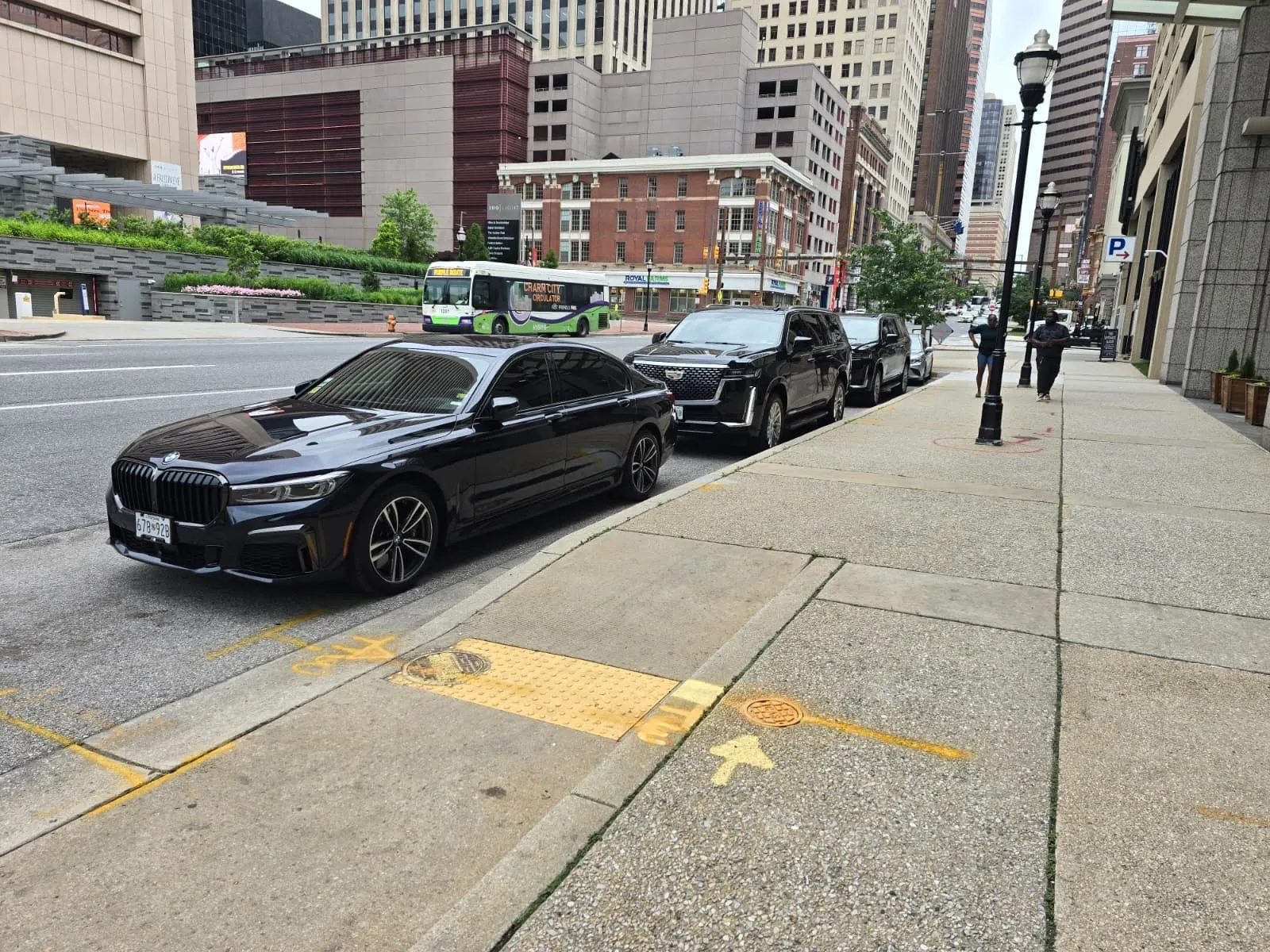
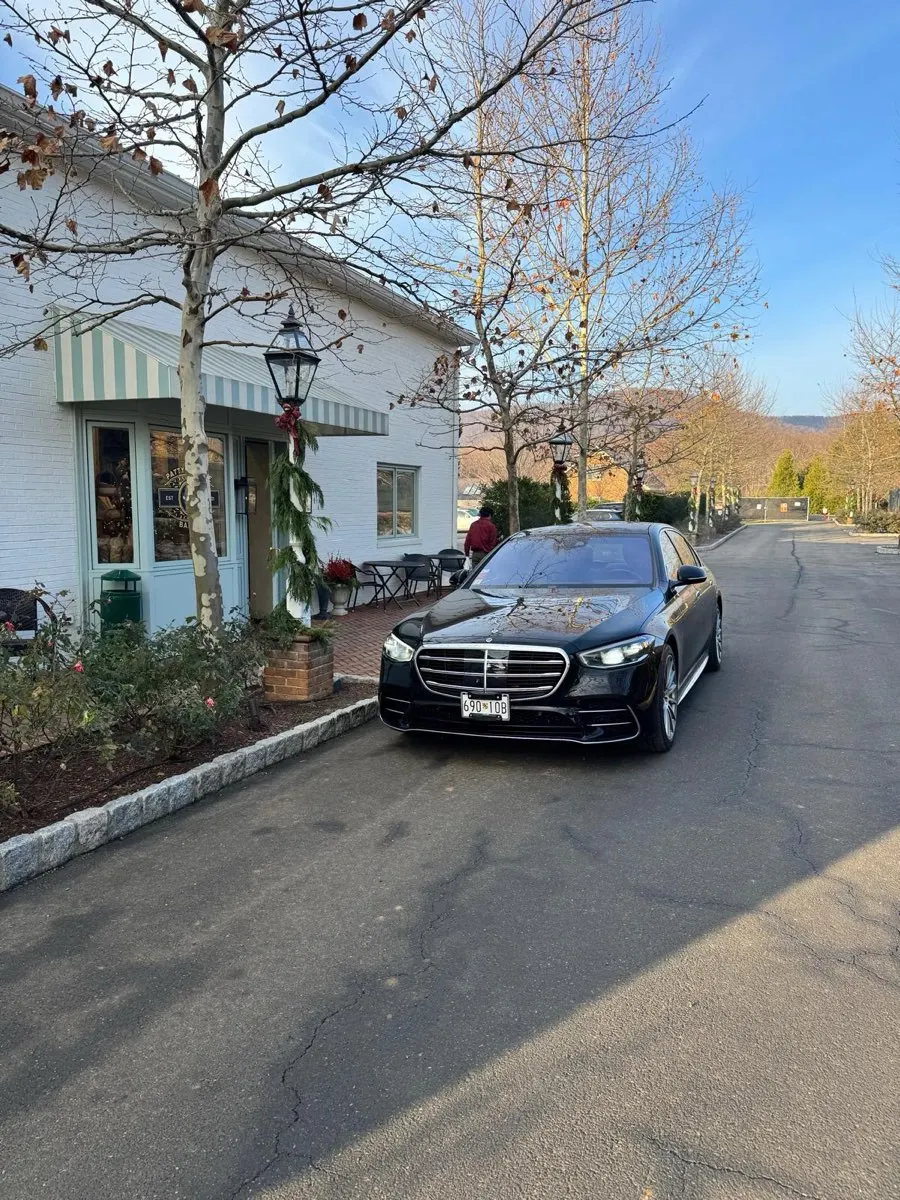
This promise is only as good as the fleet behind it. A company with six vehicles across the sedan, SUV, and van classes has real options if one specific unit is out of service on a given day. A company with two cars total has, at best, one backup — and at worst, none, which is exactly the scenario where "or similar" quietly becomes "whatever we can scrape together." Our fleet spans Mercedes-Benz E-Class and BMW 7 Series sedans, Lincoln Nautilus midsize SUVs, Lincoln Navigator and GMC Yukon XL Denali premium SUVs, Chevrolet Suburban luxury SUVs, Mercedes Sprinter vans, and stretch limousines — enough depth in every class to make a substitution a non-event rather than a scramble.
Requesting a Specific Make or Model
If you have a genuine preference for a specific make or model within your vehicle class — a particular color for photos, a specific model for a client impression — tell us when you book. We accommodate specific requests whenever possible, but we cannot guarantee one exact unit the way we can guarantee the class itself, for the same fleet-management reasons described above.
What to Ask Before You Book Elsewhere
If you are booking with any company and a specific vehicle matters to you, ask directly what happens if that exact unit is unavailable on the day: Do they substitute within the same class, or could you end up with something smaller? Is there a real backup vehicle in the class you booked, or is "or similar" a phrase with nothing actually behind it? A company with a real answer and a real fleet to back it up will tell you plainly; a company without either tends to get vague.
How Often Does a Substitution Actually Happen?
For most trips, it does not come up at all — your reserved vehicle is simply the one that shows up. Substitutions are the exception that the "or similar" language exists to handle, not the routine. The reason it is worth understanding anyway is that the exception is exactly the moment a vague policy or a thin fleet turns into a real problem, and that is the worst possible time to discover which kind of company you booked.
Photos on a Website Are Representative, Not Contractual
Vehicle photos on any car service website, ours included, are representative of the class rather than a guarantee of the specific unit's current color, trim, or even model year — a fleet rotates and updates over time, and a photo taken when a vehicle was added to the lineup does not get re-shot every time a detail changes. What stays constant is the class itself: a premium SUV listing represents a premium SUV, with the specific unit's exact appearance subject to normal fleet variation within that class.
What a Genuine Upgrade Looks Like in Practice
When a substitution does happen and we move you to a comparable or better vehicle, that typically means staying within the same class with a different specific vehicle, or stepping up a class entirely at no charge to you if that is what is actually available. Either way, the standard is simple: you should notice no meaningful downgrade in capacity, comfort, or presentation from what you booked, and if you ever do, that is worth raising with dispatch directly rather than accepting quietly.
Why This Matters More for Groups Than Solo Travelers
A substitution within a sedan class barely registers for one or two passengers — the difference between two comparable luxury sedans is mostly cosmetic. It matters considerably more for a group booking a Sprinter van or stretch limousine for a wedding party or corporate event, where passenger count and seating configuration are the entire reason that vehicle class was chosen. For group bookings specifically, it is worth confirming directly that any substitute vehicle genuinely seats your full party rather than assuming "comparable" automatically means "identical capacity."
The Right Time to Raise a Concern
If you are ever told the day before or the day of your trip that a substitution is happening, that is the moment to ask exactly what class and capacity the replacement vehicle offers — not after it arrives. A company confident in its fleet depth will tell you specifically what is coming and why, rather than asking you to simply trust that it will work out. Getting that confirmation in advance, even by text message, gives you a clear basis to raise a concern immediately if the substitute does not actually match what you were promised.
The Takeaway
"Or similar" is ordinary, standard language across the entire industry, and it is not a reason to avoid booking anywhere that uses it — nearly everyone does. What separates a trustworthy use of the phrase from a loophole is simply whether the company backing it has the fleet depth and the policy to actually honor the class you booked when a substitution becomes necessary, rather than treating the phrase as cover for whatever happens to be available.
Booking With Us
Call 877-609-1919 or book online to reserve your vehicle class, and let us know if you have a specific model preference — we serve Baltimore, BWI, Annapolis, Columbia, and the wider Maryland and DC region, 24/7, with a fleet deep enough to make "or similar" a formality rather than a risk.
You might also like
Frequently Asked Questions
Does "vehicle or similar" mean I could get a smaller car than I booked?
No, not with a legitimate policy. It guarantees your vehicle class — a comparable or upgraded vehicle, never a smaller one than you reserved without your agreement first.
What happens if my exact vehicle is unavailable on the day?
We provide a comparable or upgraded vehicle within the same class at no additional cost. If no comparable vehicle is genuinely available, you can cancel for a full refund instead.
Can I request a specific make or model?
Yes, tell us your preference when you book and we will accommodate it whenever possible, though we can only guarantee the vehicle class itself, not one exact unit.
Why does a car service need an "or similar" clause at all?
A working fleet has vehicles rotating through scheduled maintenance and other bookings. The clause protects against a routine fleet-management reality turning into a broken promise, as long as the substitute matches your reserved class.
Does having a larger fleet make this promise more reliable?
Yes. A company with real depth across every vehicle class has genuine backup options if one specific unit is out of service. A company with only one or two vehicles has little or no real backup, which is when "or similar" tends to break down in practice.
Ready to Book Your Luxury Ride?
Experience premium chauffeur service throughout Maryland, Delaware, and Washington DC. Available 24/7 for airport transfers, corporate travel, and special events.