Executive Relocation: New-Hire Moving Day Transportation in Baltimore
When a company relocates an executive or senior hire to the Baltimore area, the first few days in a new city usually involve more moving parts than a normal business trip — an arrival with multiple bags (sometimes a family in tow), temporary corporate housing or an extended-stay hotel while permanent housing is sorted out, a first day at the office, and often several property viewings or neighborhood tours while house-hunting. Leaving all of that to a new hire figuring out rideshare in an unfamiliar city on top of a stressful transition is a rough welcome, and it's the kind of detail that shapes a new employee's first impression of the company well before their first project does — sometimes more than any onboarding presentation or welcome lunch ever could.
This guide covers how companies and relocation coordinators typically plan transportation for executive relocation and new-hire moving days — airport arrival logistics, temporary housing shuttle needs, house-hunting day coordination, and how billing works when HR or a relocation service is managing the arrangement.
Airport Arrival for a Relocating Employee
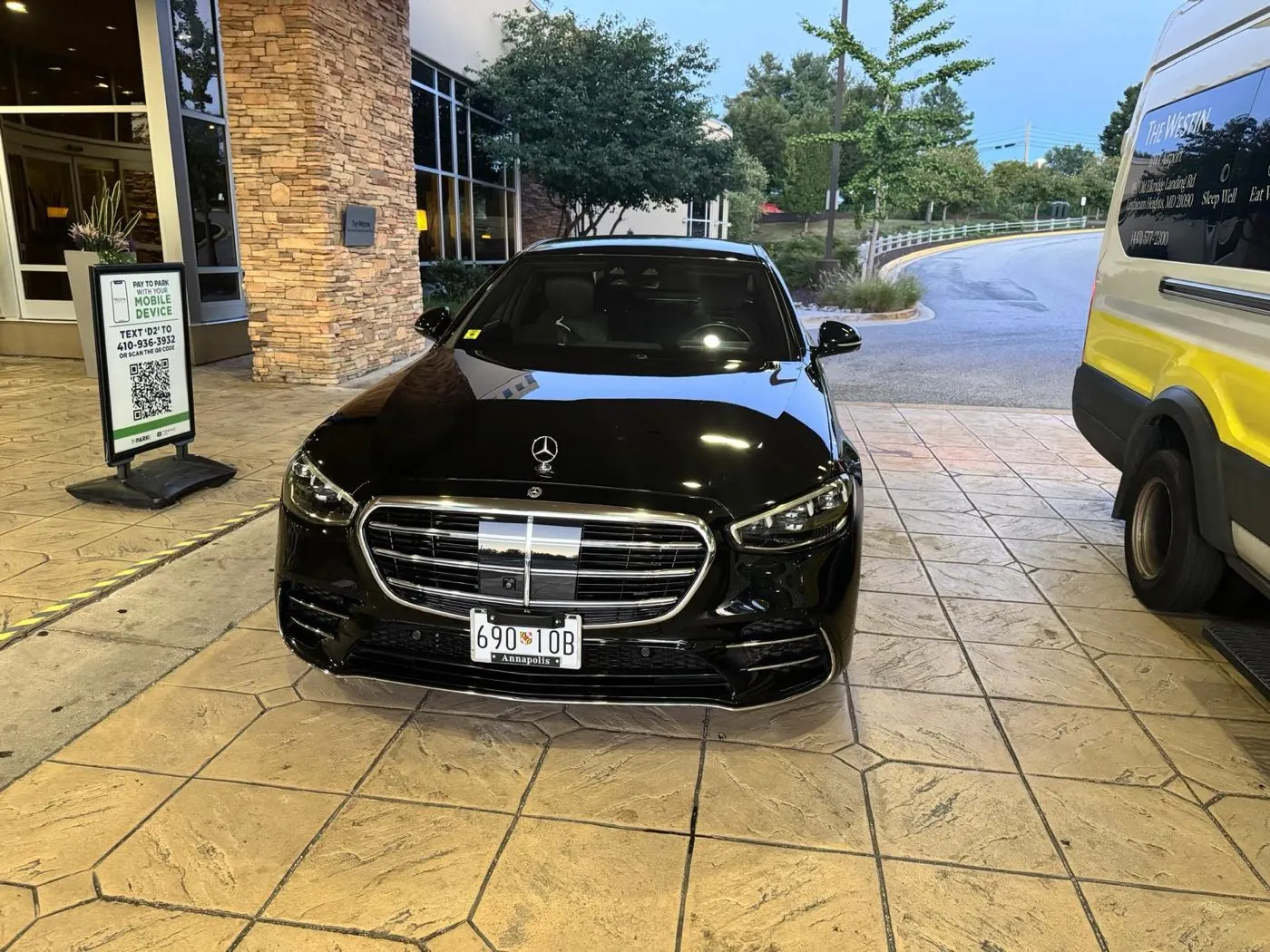
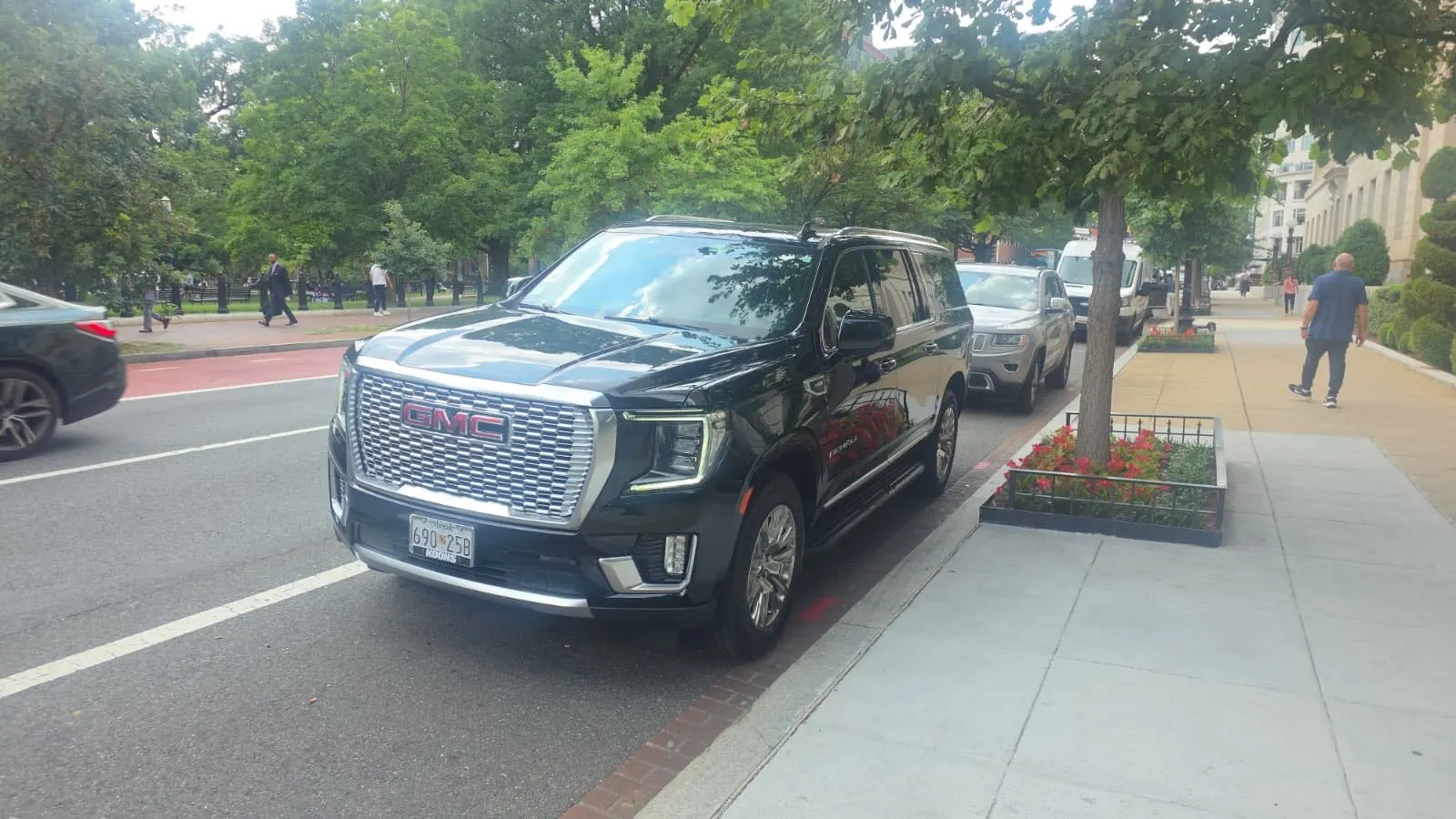
A relocation booking usually starts with a BWI pickup that accounts for more luggage than a typical business trip — often several large bags and sometimes a spouse, children, and even a family pet traveling together, plus whatever can't be shipped ahead and needs to travel with the family on the same flight into a brand-new city they may have only visited once before, if ever, during a single brief house-hunting trip months earlier that's already a bit of a blur. We size the vehicle accordingly, typically an SUV or Sprinter depending on family size and luggage volume, rather than defaulting to the standard sedan used for a single business traveler — a relocating family of four with a dog, several checked bags, and a car seat that needs to come along looks nothing like a solo executive arriving for a two-day business trip with a single rolling carry-on.
Temporary Housing and First-Week Logistics
Many relocating employees spend the first few weeks in a corporate apartment or extended-stay hotel before permanent housing is finalized, which means the first week often involves multiple trips — to the new office for orientation, possibly to HR or legal appointments to finalize relocation paperwork, and errands to get settled into a city they don't know yet. Booking recurring transportation for this first week removes one more unfamiliar-city variable during an already disorienting transition period, letting a new hire focus on the job itself rather than figuring out parking at an office they've never visited.
House-Hunting Day Coordination
House-hunting trips are a distinct transportation need — often a single day or two spent visiting multiple neighborhoods and properties with a realtor, sometimes across a wide geographic area from Towson to Howard County to Annapolis depending on where the employee is considering settling. An hourly-booked vehicle that stays with the family through a multi-stop day of showings is considerably more practical than coordinating rideshare between each property, particularly when a family is trying to compare neighborhoods against each other and needs to move efficiently between several very different parts of the region in a single afternoon, often without any prior familiarity with how those areas relate to each other, which commute times actually look like, or where the realtor's next showing even is relative to the last one.
Billing Through HR or a Relocation Service
Executive relocation transportation is almost always coordinated and billed through the company or a third-party relocation service rather than by the relocating employee personally. We invoice directly to whoever is managing the relocation, and are glad to coordinate with a relocation coordinator managing multiple moving employees across a broader program, similar to how our guide on weekly and monthly corporate chauffeur retainers describes multi-traveler account management.
Relocation packages vary considerably from one company to the next — some cover transportation generously as a standard part of the package, while others require specific approval for anything beyond the initial airport pickup. We're glad to work within whatever structure a company's relocation policy sets, and can provide a detailed cost estimate in advance if HR needs it for budget approval before committing to a fuller transportation plan covering the whole first month. A clear, itemized quote tends to make that internal approval process faster than an open-ended estimate would.
It's also worth noting that relocation transportation needs don't always end neatly after the first month. Some employees take longer than expected to find permanent housing, especially in a competitive market, and continue needing airport-style transportation support — trips back to a storage unit, additional house-hunting days, or temporary housing changes — well beyond the typical 30-day window most relocation packages assume. We simply extend the existing arrangement for as long as the company's relocation policy supports it, rather than requiring a new account setup each time the timeline shifts.
A Smoother Welcome to Baltimore
Beyond the pure logistics, a chauffeur who knows the area can offer a relocating family genuinely useful orientation — pointing out neighborhoods, commute routes, and practical local knowledge that a rideshare driver passing through wouldn't think to mention. For a family moving to an unfamiliar city, that kind of informal local knowledge is a small thing that makes a real difference in how the first week feels, and it's the sort of detail HR teams often hear about afterward as one of the more appreciated parts of a relocation package.
Spouses and partners relocating alongside the primary hire often have their own set of appointments and errands that run parallel to the new hire's first week at the office — setting up utilities, enrolling kids in school, meeting with a pediatrician or other new providers, or simply getting oriented to neighborhoods the family is considering. Booking transportation for the accompanying spouse as part of the same overall relocation plan, rather than assuming only the employee needs rides during the first week, often makes the difference in how smoothly the whole family's transition actually goes, since a spouse stuck without transportation in an unfamiliar city tends to make the entire relocation feel harder than it needs to.
Furniture and belongings sometimes arrive on a different timeline than the family itself, particularly for a move that involves selling a previous home before the new one closes. During the gap between arrival and a permanent address being ready, families often need occasional trips to a self-storage facility, a temporary furniture rental showroom, or back and forth between a corporate apartment and whatever belongings arrived ahead of schedule. We treat these errand-style trips the same as any other booking in the relocation plan — simply additional stops on an account that's already set up and billed to the company.
For companies relocating several employees in the same wave — opening a new office and moving a founding team, for example, or relocating an entire department during a facility consolidation — coordinating transportation for the whole group under one umbrella simplifies both the logistics and the company's own tracking of relocation costs. Rather than five separate relocating employees each calling in their own individual requests, HR can manage one account covering the whole group, with each employee's specific pickup and billing details still tracked individually underneath it.
School tours deserve a specific mention for families relocating with children. Visiting several candidate schools across different parts of the region — a public school district tour in one county, a private school open house in another — often happens within a tight window before a decision needs to be made, sometimes during the same week as the employee's own first days at the new job. Booking an hourly vehicle for a full day of school visits, with a parent moving between appointments while the other parent may be starting work, is a common and practical way to compress what would otherwise be a multi-week process of individually driven visits into a single well-organized day.
A gap in personal vehicle access is one of the most overlooked parts of a relocation, and it's worth planning for specifically. Many relocating employees sell a car before the move and don't take delivery of a new one, or finish the paperwork to update their driver's license and registration, until well after they've already started the new job — sometimes several weeks in, depending on how quickly the state's DMV process moves and whether the employee is coming from out of state with a license that needs to be formally transferred. During that gap, daily commuting to the office becomes its own transportation question separate from the initial arrival and house-hunting trips already covered. Companies that anticipate this gap sometimes extend relocation transportation support to cover the employee's regular office commute for the first few weeks, rather than leaving a brand-new hire to figure out rideshare for a daily commute on top of everything else about the move that's already unfamiliar.
Booking Relocation Transportation
Contact our corporate team to set up a relocation transportation plan, including recurring first-week trips and house-hunting day bookings, request a quote online, or call 877-609-1919 — we work directly with HR teams and relocation coordinators managing the arrangement.
A brief call before the relocating employee's arrival date is usually enough to put the first week's plan in place — airport pickup time and flight details, the temporary housing address, and a rough sense of what the first few days look like. From there, additional trips for house-hunting, school visits, or other settling-in errands can be added as the family's actual schedule takes shape, rather than needing everything mapped out perfectly before the first booking is confirmed.
You might also like


Related Pages
Frequently Asked Questions
Can you handle an airport pickup for a relocating family with significant luggage?
Yes. We size the vehicle for family size and luggage volume rather than defaulting to a standard sedan, typically an SUV or Sprinter for a relocation booking.
Can you set up recurring transportation for a new hire's first week?
Yes. Many companies book recurring trips covering office orientation, HR or legal appointments, and settling-in errands during the first week after a relocation.
Can one booking cover a full day of house-hunting across multiple neighborhoods?
Yes. An hourly-booked vehicle stays with the family through a multi-stop day of property showings across different areas, rather than coordinating separate rides between each one.
Who is billed for relocation transportation — the company or the employee?
Almost always the company or a third-party relocation service managing the move. We invoice directly to whoever is coordinating the relocation rather than the individual employee.
Can you coordinate with a relocation service managing multiple employees?
Yes. We work directly with relocation coordinators and HR teams managing several relocating employees at once, similar to how a corporate retainer account handles multiple travelers under one arrangement.
Ready to Book Your Luxury Ride?
Experience premium chauffeur service throughout Maryland, Delaware, and Washington DC. Available 24/7 for airport transfers, corporate travel, and special events.